SPF in lip balm – do you really need it, or is it optional?
The short answer: yes, SPF can make a real difference for your lips, especially if you spend time outdoors.
In this article, we explain when SPF lip balm is worth using, how it works, and how to choose the right kind of sun protection for everyday lip care.
Your lips have very little melanin, the pigment that helps protect skin from ultraviolet (UV) radiation. Because of this, they are more vulnerable to sun damage than many other areas of the face.
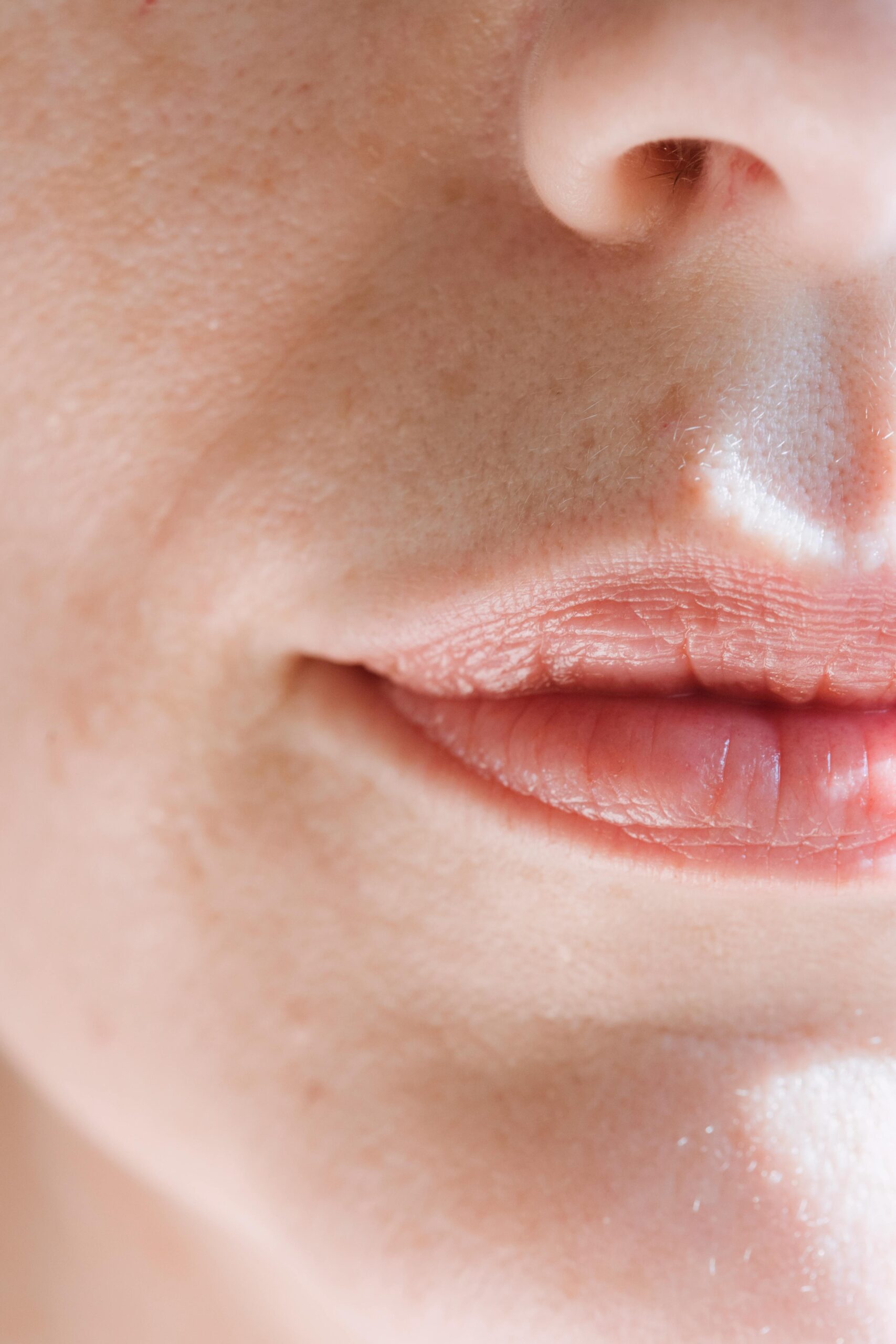
Lips are also thinner than regular skin and lack oil glands, which makes them more prone to dryness, cracking, and irritation. When UV exposure is added on top of that, lips can burn quickly – often without immediate warning signs.
Another common issue is habit. While many people apply sunscreen to their face, lips are frequently overlooked. This leaves them exposed during everyday activities such as walking, cycling, driving, or sitting outside, allowing cumulative sun damage to build over time.
SPF lip balm isn’t just useful on hot summer days. Sun exposure occurs year-round, and lips are exposed more often than most people realize.
Any time you’re outside during daylight hours, your lips are exposed to UV radiation. Even short periods of exposure can add up over time.
SPF lip balm becomes especially important during:
Winter conditions can be misleading. Cold air, wind, and low humidity already stress the lips, and reflected UV rays can intensify damage. SPF lip balm helps protect against both environmental and sun-related stress.
For daily lip protection, dermatologists generally recommend SPF 15 to SPF 30.
Lip balm wears off faster than sunscreen on skin due to talking, eating, drinking, and natural lip movement. When outdoors, SPF lip balm should be reapplied every two hours, or more frequently if needed.
SPF Lip balms protect lips in different ways depending on the type of UV filter used.
Common mineral filters include:
These ingredients sit on the surface of the lips and reflect UV rays away from the skin. Mineral SPF is often preferred for lip care because it:
Chemical filters absorb UV radiation and convert it into heat. While effective, some people find these ingredients irritating on the lips or unpleasant in taste.
Many SPF lip balms also include ingredients associated with natural protection:
These ingredients support lip health but should not replace proper SPF filters.
SPF lip balm offers clear benefits, but it also comes with a few limitations.
Finding a formula you enjoy using consistently is key.
Skipping SPF lip balm may not cause immediate issues, but long-term exposure can have noticeable effects.
Because lips are constantly exposed, they often show sun damage earlier than expected.
SPF in lip balm isn’t optional if you spend time outdoors – it’s an important part of daily lip care. Lips are particularly vulnerable to sun damage, and protecting them can help prevent discomfort now and long-term issues later.
Choose a lip balm with broad-spectrum SPF, reapply regularly, and consider mineral-based protection if your lips are sensitive. Making SPF lip balm part of your routine is a simple step toward healthier lips year-round.